
What exactly are Safe Driving, Advanced Driving, and Road Safety courses? How can you obtain an Advanced Driving certificate? What do driving technique trainings actually teach? Who is qualified to deliver these programs, and what should you look for when choosing a training provider?
In this article, we answer the most common questions about driving technique and road safety training.
Let’s start with the basics: Across the industry, “Safe Driving Training” and “Advanced Driving Training” generally refer to the same type of program. In many cases, these courses are also categorized as Road Safety Trainings — comprehensive modules that combine theory and practical exercises to help drivers understand vehicle dynamics, anticipate risks, and make safer decisions on the road.
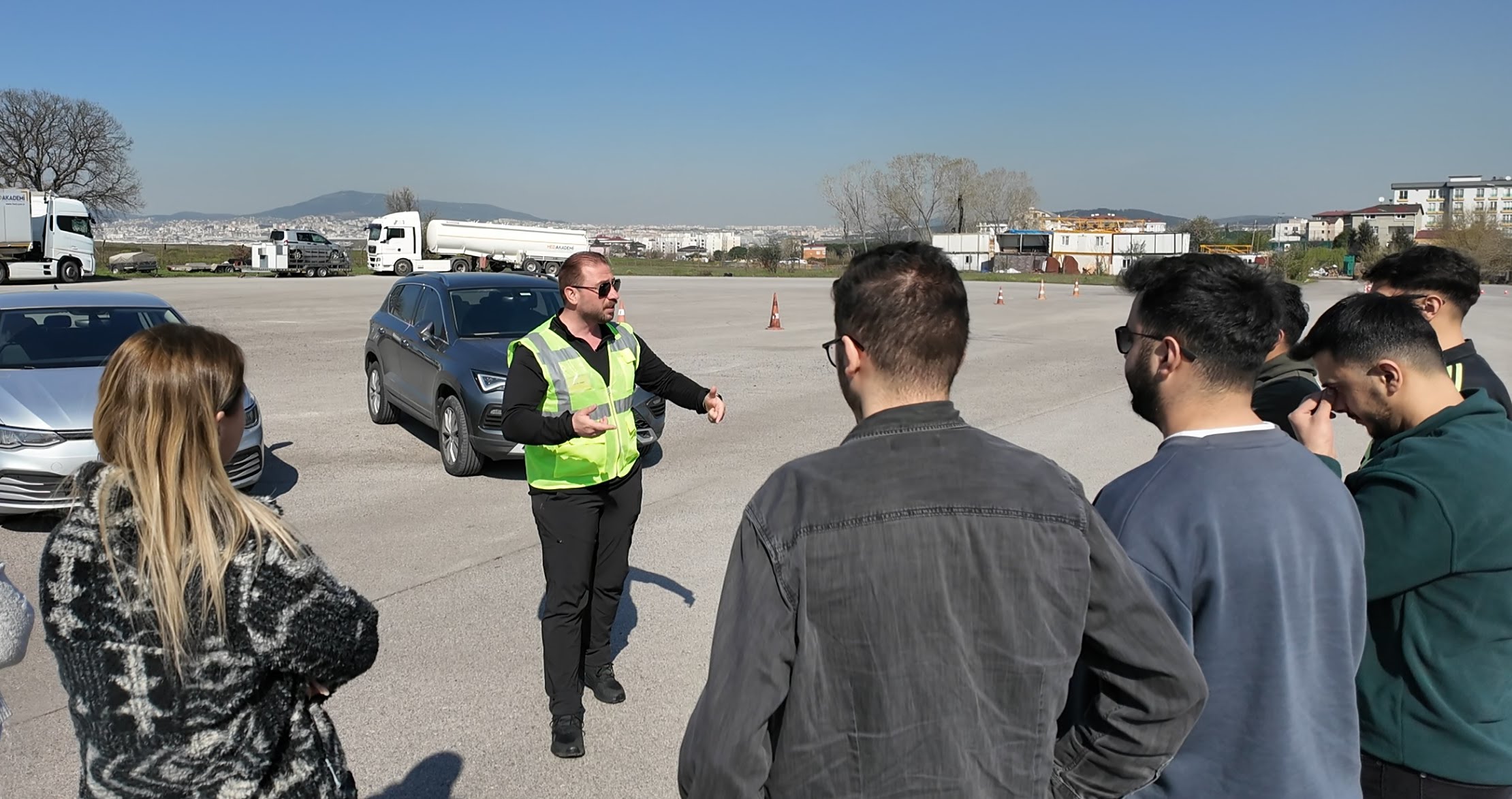
In some regions, you may encounter variations such as Anti-Skid Training, Defensive Driving, or Safe Driving Courses, all sharing the same core objective: improving driver awareness, vehicle control, and overall road safety.
The word advanced sometimes gives the misleading impression of a superhuman skill program — one that teaches drivers to perform miracles in emergencies and escape every danger.
In reality, the purpose is very different. These trainings allow drivers to safely experience emergency situations in a controlled environment, using specially designed tracks and low-grip surfaces. Through repetition, participants build muscle memory, improve reflexes, and understand both their own limits and their vehicle’s capabilities. However, no closed track can fully replicate real-life conditions. The true purpose of these programs is not to wait for the last second and react heroically — it is to anticipate hazards before they develop and avoid dangerous situations altogether.
A well-structured driving program helps drivers:
- Build situational awareness
- Correct risky habits
- Reduce overconfidence
- Develop defensive driving strategies that prevent accidents
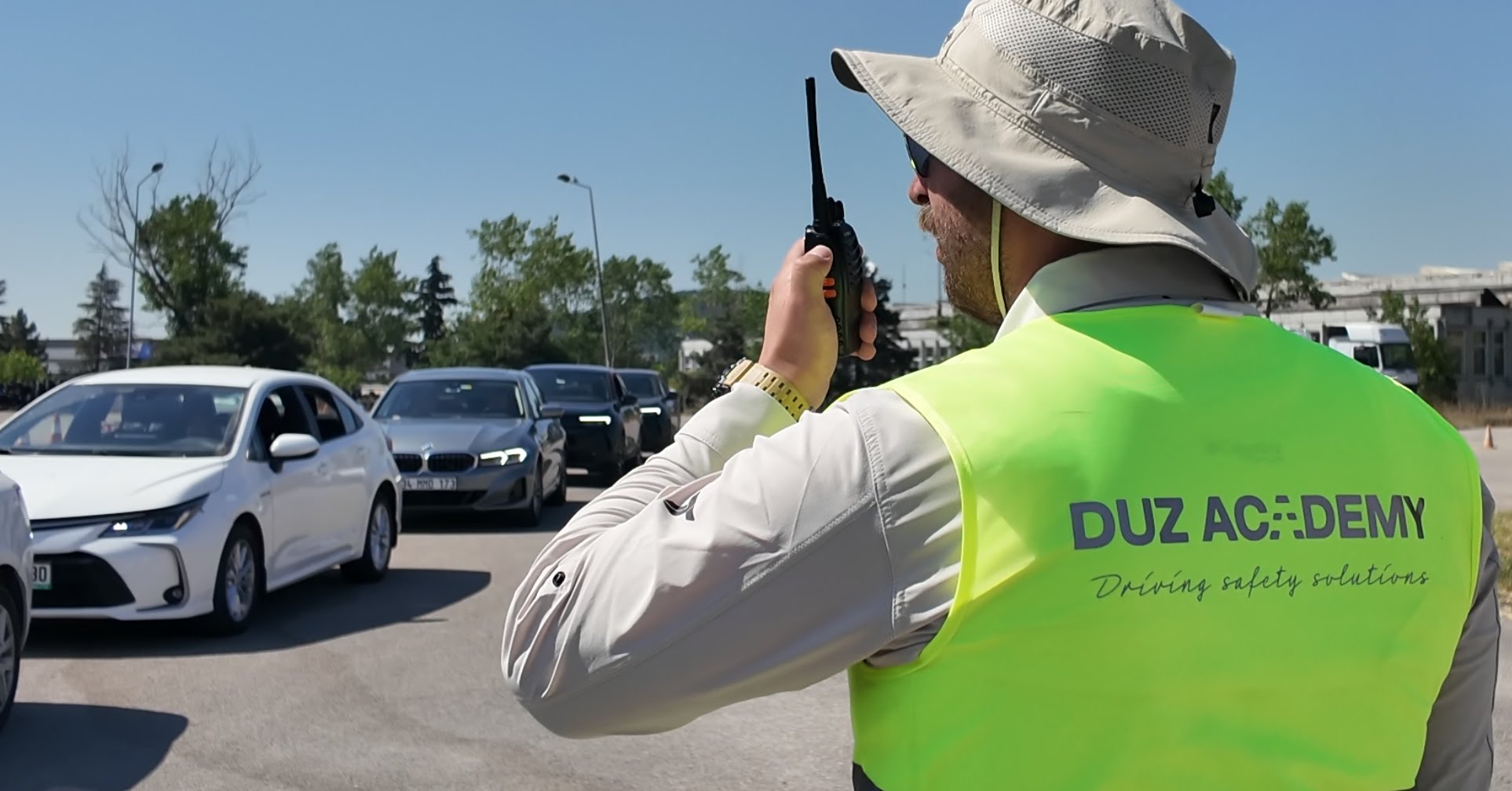
At DUZ Academy, with experience dating back to 2013, our recommendation is simple: Before enrolling, always verify the instructor’s and the organization’s national and international accreditations.
We are certified by TOSFED (Turkish Automobile Sports Federation) and accredited by DVR (Deutscher Verkehrssicherheitsrat) — the German Road and Driving Safety Council. Our training content and methodology are based on the internationally recognized DVR system, ensuring the highest safety and quality standards.
Unfortunately, online research may lead you to many so-called “experts” or “instructors” who share incomplete or inaccurate information — sometimes creating risks rather than preventing them.
In short, any licensed driver who actively uses a vehicle can participate in Safe Driving or Advanced Driving programs. For companies, the importance is even greater.
Once a company assigns a vehicle to an employee, responsibility under Occupational Health and Safety Law No. 6331 comes into effect. This is why many corporate fleets include driving safety programs as part of their mandatory OHS compliance.
Some employers request an Advanced Driving Certificate during recruitment. However, since there is no unified regulation defining which institutions meet which standards, relying solely on a certificate can be misleading.
That said, all individual participants who complete our programs receive a DVR-recognized international participation certificate.
To learn more about our corporate driver training packages, click here: Driver Training


